Kostenlose Lieferung innerhalb Deutschlands auf alle Bestellungen
Willkommen auf der neuen Simply Supplements Website. Wenn Ihr Abonnement vor dem 08.06.2026 abgeschlossen wurde, wenden Sie sich bitte an unseren Kundenservice, um Änderungen vorzunehmen.
Conseils Fitness
Créatine : Propriétés & Bienfaits
France
Nous avons déjà tous entendu parler de la créatine, surtout si vous pratiquez un sport. Mais savez-vous exactement ce qu’est la créatine et à quoi sert-elle ?
Grace à tous ses bienfaits sur la santé, la créatine est vite devenue l’un de nos produits phares. A travers cet article nous allons faire le point sur les propriétés de ce complément pour mieux vous aider à comprendre son apport au sein de votre régime quotidien.
Qu’est-ce que la créatine ?
Lorsque vous prenez un complément alimentaire, vous devez faire attention à ses propriétés et à ses résultats pour comprendre si votre corps en a réellement besoin.
En réalité, la créatine est un élément chimique déjà présent dans notre corps pour pourvoir au besoin énergétique de nos muscles. Cette forme d’énergie est l’adénosine triphosphate ou ATP, connue pour être l’élément principal de la production d’énergie des cellules.
La créatine est une combinaison de trois différents acides aminés : la glycine, l’arginine, et la méthionine qui sont naturellement synthétisés par le corps lorsque que vous mangez de la viande rouge ou du poisson. Malheureusement il n’existe pas de sources importantes d’apport en acides aminés pour les végétariens.
L’ATP est utilisée rapidement lors d’un exercice physique, ce qui fait que non seulement sa demande d’apport augmente mais elle doit aussi être fabriquée par le corps. Une hausse de la demande en créatine est difficile à atteindre avec seulement un régime alimentaire basique, c’est pourquoi la prise d’un complément alimentaire est habituellement recommandée.
La prise de complément alimentaire à base de créatine permet au corps d’accumuler de l’énergie disponible pour vos entrainements.
Les bienfaits de la créatine
Les principaux bienfaits de la créatine sont :
La prise de muscle
Une hausse de la puissance
Une plus grande résistance
Des temps de repos plus cours
Des études scientifiques appuient ces résultats ce qui fait de la créatine un des meilleurs compléments alimentaires pour les sportifs. Cependant, il est essentiel de garder à l’esprit que les résultats peuvent varier d’une personne à l’autre suivant l’activité sportive pratiquée. En effet, il n’y a pas vraiment d’avantages à utiliser de la créatine dans la pratique du football ou d’un marathon par exemple.
Dosage
La dose recommandée quotidienne est de 2 grammes de créatine ce qui est naturellement possible avec une alimentation saine et équilibrée. La prise d’un complément alimentaire à base de créatine peut vous apporter un apport jusqu’à 3 – 5 grammes par jour. Cependant, il est hautement recommandé de surveiller l’apport d’un complément et son effet sur la santé, notamment de vos reins, à travers une prise de sang.
Quand prendre de la créatine ?
Une autre question fréquente est : quand dois-je prendre de la créatine ? Malheureusement, cette question est un débat qui n’a pas encore trouvé de réponse concrète.
Certains pensent que la créatine devrait être prise avant l’entrainement pour que le muscle puisse avoir un apport en énergie. Cependant, d’autres pensent au contraire que l’énergie est vite consommée durant l’entrainement et qu’il est préférable de prendre la créatine après l’entrainement pour pouvoir profiter de tous ses bienfaits surtout si vous avez un apport en glucide qui permet une meilleure absorption de la créatine par le corps.
Nous vous conseillons de choisir l’option qui vous convient le mieux !
Sous quelle forme prendre la créatine ?
La poudre de créatine monohydrate
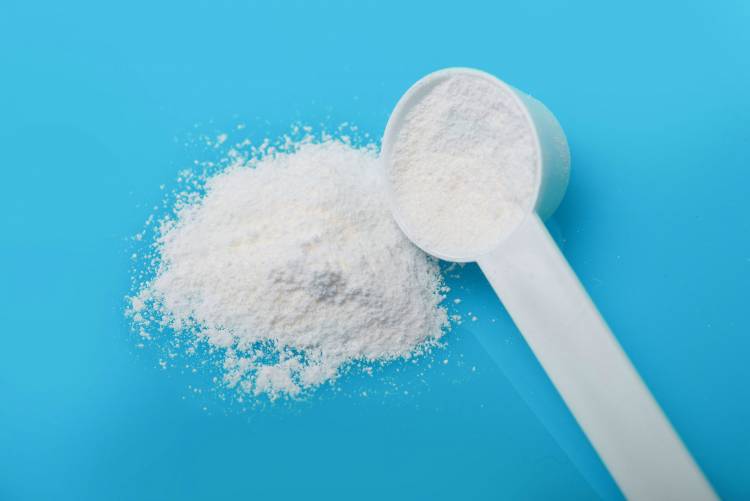
La poudre de créatine monohydrate est la forme la plus simple de créatine mais aussi la moins onéreuse. C’est souvent la forme la plus utilisée car la plus étudiée. A l’intérieur, chaque molécule est associée à une molécule d’eau d’où le terme « créatine monohydrate ». Elle apparait sous la forme d’une poudre blanche granuleuse sans goût ni odeur.
La créatine en comprimés
Vous pouvez aussi acheter des comprimés de créatine monohydrate qui contiennent soit de la poudre de créatine soit une forme réduite de poudre de créatine monohydrate. Gardez à l’esprit que les comprimés permettent seulement de prendre la créatine sans rien ajouter ce qui peut être un avantage pour ceux qui sont en retard et ne veulent pas perdre de temps à boire la créatine sous sa forme poudreuse.
Conclusion
Nous vous recommandons de toujours consulter un médecin ou un spécialiste si vous souhaitez utiliser n’importe quels compléments alimentaires et d’arrêter immédiatement sa prise si vous constatez l’apparition d’effets secondaires. La créatine peut être utilisée pour atteindre n’importe quels objectifs suivant la dose utilisée et selon vos besoins.
Learn what B vitamins do, their food sources, and how vitamin B complex supports energy, metabolism, brain function, red blood cells, and overall health.
Learn how to lower high cholesterol naturally with fibre, healthy fats, exercise, sleep and lifestyle tips to support heart health and a healthy lipid profile.
Discover the link between osteoporosis and sarcopenia, plus nutrition and lifestyle tips to support bone density, muscle health, mobility and healthy ageing.
In the UK, men on average die four to six years earlier than women. They also have a life expectancy of 79.1 years, are significantly less likely to attend routine health screenings, are more likely to delay seeking medical attention for concerning symptoms, and face higher rates of cardiovascular disease, type 2 diabetes, liver disease, and suicide.
The dietary patterns, movement habits, sleep, stress management, and relationship with healthcare that men establish can have a profound influence on health outcomes across the lifespan.
Cardiovascular Health
Cardiovascular disease is the leading cause of premature death in men in the UK, and men develop it on average ten years earlier than women. The protective effect of oestrogen that delays cardiovascular disease in premenopausal women does not apply to men, meaning that risk accumulates from earlier in adulthood.
The key modifiable risk factors for cardiovascular disease include:
high blood pressure
elevated LDL cholesterol
high triglycerides,
insulin resistance,
smoking
excess visceral adiposity
physical inactivity
chronic stress
poor sleep
alcohol use and diet quality
Most of these can be influenced by nutrition and lifestyle, meaning that the everyday choices men make have a significant and compounding effect on their long-term cardiovascular risk.
Dietary patterns most strongly associated with reduced cardiovascular risk include:
Mediterranean diet
diets rich in vegetables and fruit
wholegrains
legumes
olive oil
nuts
oily fish
Focus should fall on predominantly whole food dietary patterns that are balanced, high in fibre and low in saturated fats.
Specific nutrients with the strongest cardiovascular evidence include omega-3 fatty acids, which reduce triglycerides and inflammation, soluble fibre from oats, barley, chia seeds, legumes, certain vegetables and fruit, which reduces LDL cholesterol, potassium from vegetables and fruit, which supports healthy blood pressure, and extra virgin olive oil for its anti-inflammatory properties.
In the UK, men are encouraged to have regular blood pressure and cholesterol screenings from their forties onward, and earlier for those with a family history of cardiovascular disease. Many men have elevated cardiovascular risk markers like LDL cholesterol for years before any symptoms arise, making regular monitoring genuinely important rather than optional.
Type 2 Diabetes and Metabolic Health
Men are at higher risk of type 2 diabetes than women at equivalent body weights, partly due to the tendency of men to accumulate visceral fat (fat around the internal organs) rather than subcutaneous fat (fat beneath the skin).
Visceral adiposity is metabolically active and drives insulin resistance, inflammation, and cardiovascular risk in ways that subcutaneous fat does not to the same degree.
Type 2 diabetes is largely preventable and in its early stages often reversible through dietary and lifestyle change. The evidence for dietary approaches to improving insulin sensitivity and metabolic health consistently points toward reducing refined carbohydrate and added sugar intake, increasing dietary fibre, eating regular meals with adequate protein, fibre and fat to moderate blood glucose response, and regular physical activity.
Waist circumference is a more informative marker of metabolic risk than body weight or BMI alone. A waist circumference above 94cm in men is associated with increased metabolic risk, and above 102cm with substantially elevated risk.
This is worth knowing not as a point of shame, but as a practical piece of health information that is easy to measure and track.
Dietary quality improvements, increased physical activity, and better sleep can all improve insulin sensitivity and reduce visceral fat independently of changes in overall body weight.
Prostate Health
According to Cancer Research, 1 in 6 men in the UK will be diagnosed with prostate cancer in their lifetime. When detected early, it is one of the most survivable cancers and so regular screening is particularly important for men over 50 and men with a family history of prostate cancer or with Black African or Caribbean heritage.
In epidemiological research, those who consume diets rich in lycopene, an antioxidant that gives fruits and vegetables like tomatoes, pink grapefruit and watermelon their red pigment, has been linked to a reduced risk of prostate cancer, though evidence is mixed.
Lycopene is significantly more bioavailable from cooked or processed tomatoes than raw, with tomato paste, passata, and canned tomatoes providing more absorbable lycopene than fresh tomatoes.
The overall dietary pattern matters more than any single nutrient. Higher vegetable, fruit and wholegrains intake, adequate zinc, and a predominantly whole food dietary pattern are associated with better prostate health outcomes. Diets high in processed meat and very high in saturated fat are associated with modestly increased risk in large prospective studies.
Testosterone and Hormonal Health
Testosterone levels in men decline gradually from the mid-thirties onward, with research suggesting an average decline of around 1 to 2% per year after age 40. This is a normal part of aging, but the trajectory and rate of decline are influenced by lifestyle factors, meaning that the choices men make in their thirties and forties meaningfully affect their hormonal health in their fifties and beyond.
Several nutritional and lifestyle factors are associated with better testosterone status. Adequate zinc intake is directly relevant: zinc is essential for testosterone synthesis, and deficiency is associated with reduced testosterone levels.
Good sources include shellfish, pumpkin seeds, and legumes. Adequate dietary fat intake, particularly from monounsaturated and saturated fat sources in moderate amounts, supports testosterone production, as testosterone is synthesised from cholesterol.
Vitamin D deficiency, which is widespread in the UK, is associated with lower testosterone levels so correcting any deficiency may improve testosterone status. Maintaining adequate vitamin D year-round through blood work to assess levels and supplementation when needed can therefore be relevant to hormonal health.
Chronic stress elevates cortisol, which directly suppresses testosterone production. This is one of several reasons why stress management is not separate from men's hormonal health but integral to it.
Sleep is equally relevant: testosterone is primarily produced during sleep, and research has found that even one week of sleeping five hours per night reduces testosterone levels by approximately 10 to 15% in young men, a reduction equivalent to ageing ten to fifteen years.
Sleep and Sleep Apnoea
Sleep affects testosterone, cardiovascular health, metabolic function, immune resilience, cognitive performance, emotional regulation, and physical recovery.
Sleep apnoea, a condition in which breathing repeatedly stops and starts during sleep, is significantly more common in men than in women, and is associated with fatigue, poor cognitive function, elevated cardiovascular risk, and reduced testosterone. It is frequently undiagnosed because the primary symptom is snoring combined with daytime sleepiness, which many men normalise. If you or your partner have noticed loud or irregular snoring combined with daytime fatigue, discussing this with a GP is worthwhile.
Seven to nine hours of quality sleep per night is the evidence-supported range for most adults. Consistent sleep and wake times, a cool dark bedroom, limiting alcohol, avoiding caffeine after midday, and managing stress are the most consistently evidence-supported sleep hygiene strategies.
Alcohol
Men in the UK drink more alcohol on average than women and are more likely to drink at hazardous or harmful levels. The NHS guidelines recommend no more than 14 units of alcohol per week spread across at least three days, with alcohol-free days each week.
Alcohol at higher intake levels is associated with liver disease, several cancers including colorectal and liver cancer, cardiovascular disease, high blood pressure, depression, cognitive decline, impaired sleep, reduced testosterone, and reduced fertility.
The relationship between alcohol and health is not linear, and while low-level drinking has historically been associated with some cardiovascular benefits, more recent research applying Mendelian randomisation methods suggests that even moderate drinking carries some increased risk.
This is not about prohibition. It is about honest awareness that alcohol is one of the most significant modifiable risk factors for serious health conditions in men, and that staying within recommended guidelines meaningfully reduces long-term risk.
Engaging With Healthcare
One of the most impactful things men can do for their long-term health is engage proactively with healthcare rather than reactively. This means attending NHS health checks when invited (available to those aged 40 to 74), discussing blood pressure, cholesterol, and blood glucose screening with a GP, being aware of bowel cancer screening (offered to those over 60 in the UK), having conversations about prostate health from the mid-forties onward for those with risk factors, and not dismissing symptoms or delaying seeking help when something feels wrong.
Testicular cancer is the most common cancer in men aged 15 to 49 afd is highly treatable when caught early. Regular self-examination and prompt reporting of any lumps or changes to a GP are important habits. Skin cancer rates are higher in men partly due to lower rates of sun protection, and regular skin checks for changing moles or lesions are worthwhile.
Mental Health
Men are less likely to seek help for depression and anxiety, less likely to discuss emotional difficulties with friends or family, and more likely to manage distress through avoidance, alcohol, or other external coping strategies rather than directly addressing the underlying issue. These patterns can have devastating consequences when unaddressed, and they are deeply connected to social norms around masculinity that equate emotional expression with weakness.
The most important message regarding men's mental health is to reach out. To your GP, to a therapist, to a trusted friend, to a helpline and to engage in psychological therapies like CBT and ACT for mental health support.
Closing Thoughts
Men's health is shaped by the accumulation of daily choices across decades: what is eaten, how much movement happens, how sleep is prioritised, how stress is managed, how much alcohol is consumed, and whether medical or mental health care is sought when needed.
None of these are binary or all-or-nothing. Small, consistent improvements in multiple areas compound meaningfully over time.
This article is for educational purposes only and does not replace the advice of a qualified healthcare or nutrition professional. If you're experiencing persistent or severe symptoms, please consult your healthcare provider.
Sources:
https://www.nmcd-journal.com/article/S0939-4753(23)00385-X/fulltexthttps://pmc.ncbi.nlm.nih.gov/articles/PMC6906176/https://pmc.ncbi.nlm.nih.gov/articles/PMC11958419/https://www.sciencedirect.com/science/article/abs/pii/S0960076021000716?via%3Dihubhttps://pmc.ncbi.nlm.nih.gov/articles/PMC8743653/https://www.sciencedirect.com/science/article/pii/S2949789225000881https://onlinelibrary.wiley.com/doi/10.1111/1467-9566.13257
Learn how to support summer health with hydration, seasonal foods, sunlight, gut health, sleep and exercise for better energy, digestion and wellbeing.